

Pengalaman mewah LUXURY 777 di resor pantai saat senja dengan makan malam romantis.

Di Balik Layar LUXURY 777: Bagaimana Pengalaman Mewah Ini Diciptakan

Pengenalan LUXURY 777 dan Konsep Mewah

Dalam dunia yang semakin terhubung dan kompetitif, konsep mewah atau ‘luxury’ tidak lagi sekadar menjadi simbol status, tetapi juga sebuah pendekatan dalam menyampaikan pengalaman yang tak terlupakan. Di tengah perkembangan industri yang cepat, LUXURY 777 muncul sebagai salah satu merek yang mewakili esensi dari kemewahan itu sendiri. Artikel ini akan membahas lebih dalam tentang LUXURY 777, dari sejarah dan perkembangannya hingga tantangan yang dihadapi dan strategi pemasaran yang efektif.

Apa itu LUXURY 777?

LUXURY 777 adalah merek yang berfokus pada penyediaan pengalaman mewah yang unik, mulai dari layanan hospitaliti hingga produk berkualitas tinggi. Dengan mengedepankan estetika, mutu, dan pelayanan yang optimal, LUXURY 777 telah membangun citra sebagai penyedia layanan dan produk mewah yang dicari oleh pelanggan di berbagai belahan dunia. Merek ini tidak hanya menawarkan barang atau jasa, tetapi juga pengalaman berharga yang membedakan dirinya dari kompetitor.

Sejarah dan Perkembangan LUXURY 777

Sejak diluncurkan, LUXURY 777 telah mengalami berbagai fase perkembangan yang signifikan. Merek ini dimulai sebagai penyedia layanan penginapan mewah dan perlahan-lahan meluaskan jangkauannya ke sektor-sektor lain, termasuk penyewaan mobil mewah, pengalaman kuliner, dan layanan pribadi. Dalam setiap langkahnya, LUXURY 777 bertekad untuk memenuhi ekspektasi pelanggan yang terus berkembang dan menyesuaikan diri dengan tren pasar terkini.

Target Audiens dan Pasar

Target audiens LUXURY 777 mencakup individu dan kelompok yang menghargai kualitas dan pengalaman premium. Pelanggan ini sering kali berasal dari kalangan profesional sukses, pelancong berkelas, dan penggemar gaya hidup mewah. Sebagai bagian dari strategi pemasaran, penting untuk memahami karakteristik dan preferensi audiens ini sehingga layanan dapat disesuaikan dengan kebutuhan mereka.

Ciri-Ciri Pengalaman LUXURY 777

Desain dan Estetika

Desain dan estetika adalah bagian integral dari pengalaman LUXURY 777. Setiap elemen, mulai dari arsitektur hingga interaksi layanan, dirancang untuk menciptakan suasana yang menyatu dengan konsep kemewahan. Penggunaan bahan berkualitas tinggi, palet warna yang elegan, dan detail yang cermat semuanya berkontribusi pada persepsi pelanggan tentang merek ini.

Pelayanan yang Diberikan

Salah satu aspek terpenting dari LUXURY 777 adalah tingkat pelayanan yang diberikan. Pelayanan pribadi yang penuh perhatian, staf yang terlatih dengan baik, dan kecepatan respons yang tinggi memastikan bahwa setiap pelanggan merasa dihargai dan dipenuhi kebutuhannya. LUXURY 777 berkomitmen untuk menghadirkan layanan yang tidak hanya memenuhi tetapi juga melampaui harapan pelanggan.

Lokasi yang Menarik

Lokasi juga memainkan peran penting dalam pengalaman LUXURY 777. Merek ini memilih lokasi strategis yang mudah diakses dan memiliki daya tarik tersendiri, menjadikan setiap kunjungan lebih berkesan. Dari hotel di pusat kota hingga tempat makan dengan pemandangan spektakuler, LUXURY 777 memastikan bahwa setiap sudut memberikan keindahan dan kenyamanan.

Tantangan dalam Mewujudkan LUXURY 777

Persaingan di Industri Mewah

Dalam industri mewah, persaingan menjadi salah satu tantangan terbesar. Banyak merek lain yang juga berusaha untuk menawarkan pengalaman serupa, sehingga LUXURY 777 harus selalu berinovasi dan menjaga standart kualitas. Memahami kekuatan dan kelemahan pesaing menjadi kunci untuk dapat bersaing secara efektif.

Pengelolaan Sumber Daya

Pengelolaan sumber daya juga merupakan tantangan yang harus dihadapi oleh LUXURY 777. Dengan beragam layanan yang disediakan, perlu adanya koordinasi dan pengaturan sumber daya yang efisien untuk memastikan kualitas tetap terjaga. Hal ini mencakup pelatihan staf, pengadaan bahan, dan manajemen fasilitas.

Mempertahankan Kualitas

Mempertahankan kualitas merupakan suatu keharusan dalam dunia kemewahan. LUXURY 777 harus memastikan bahwa setiap layanan dan produk yang ditawarkan memenuhi kriteria kualitas yang tinggi. Pengawasan berkala dan umpan balik dari pelanggan menjadi alat penting dalam menjalankan proses ini.

Strategi Pemasaran untuk LUXURY 777

Menarik Pelanggan LUXURY 777

Untuk menarik pelanggan baru, LUXURY 777 menerapkan berbagai strategi pemasaran yang dapat menjangkau audiens target secara efektif. Penggunaan media sosial, kampanye iklan digital, dan kolaborasi dengan influencer di industri mewah adalah beberapa metode yang telah terbukti efektif dalam memperluas jangkauan. Penting untuk menciptakan konten yang menarik dan relevan untuk menarik perhatian pelanggan.

Inovasi dalam Pemasaran

Inovasi dalam pemasaran juga menjadi fokus utama LUXURY 777. Penggunaan teknologi terbaru untuk analisis data pelanggan dan personalisasi pengalaman belanja menciptakan interaksi yang lebih mendalam dan relevan. Dengan memanfaatkan teknologi seperti kecerdasan buatan dan analitik besar, LUXURY 777 dapat menawarkan layanan yang disesuaikan dengan preferensi individu.

Studi Kasus Sukses

Salah satu strategi pemasaran yang berhasil diadopsi oleh LUXURY 777 adalah kolaborasi dengan merek-merek terkenal lainnya untuk menciptakan pengalaman yang lebih eksklusif. Misalnya, pengenalan paket kemewahan bersama hotel bintang lima dan restoran haute cuisine berhasil menarik banyak perhatian dan pelanggan baru. Studi kasus ini menunjukkan betapa pentingnya sinergi dalam industri mewah.

Masa Depan LUXURY 777 pada Tahun 2026

Tren dan Perkembangan Mewah

Melihat ke depan, LUXURY 777 harus tetap peka terhadap tren dan perkembangan dalam industri mewah. Konsumen semakin mencari pengalaman yang bersifat personal dan autentik. Dengan memanfaatkan tren ini, LUXURY 777 memiliki kesempatan untuk menawarkan sesuatu yang lebih dari sekadar produk, tetapi pengalaman hidup yang unik.

Proyeksi Pasar

Proyeksi pasar untuk layanan mewah pada tahun 2026 menunjukkan peningkatan permintaan untuk kualitas dan keunikan. Dengan semakin banyaknya pelanggan yang ingin berinvestasi dalam pengalaman daripada barang material, LUXURY 777 dapat memposisikan diri sebagai pelopor dalam menawarkan pengalaman yang tidak terlupakan.

Inovasi Teknologi dalam Pengalaman Mewah

Inovasi teknologi seperti realitas virtual (VR) dan augmented reality (AR) diharapkan dapat mengubah cara pelanggan berinteraksi dengan merek. LUXURY 777 diharapkan dapat mengadopsi teknologi ini untuk memberikan pengalaman yang lebih mendalam dan imersif, yang akan semakin menarik untuk audiens modern.

Bagaimana LUXURY 777 akan mengubah industri?

Dengan semua strategi dan inovasi yang diterapkan, LUXURY 777 berpotensi untuk menjadi pemimpin dalam industri mewah. Merek ini tidak hanya akan menawarkan barang atau layanan, tetapi juga menjadi simbol dari gaya hidup mewah yang modern dan berkelanjutan. Dengan terus beradaptasi dan menjawab kebutuhan konsumen, LUXURY 777 dapat memastikan tempatnya di puncak industri pada tahun 2026 dan seterusnya.
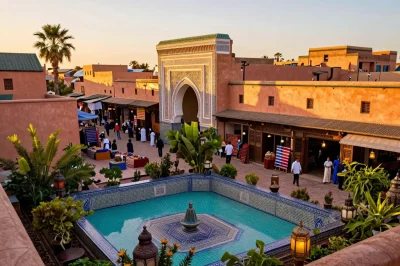
Top 10 Hidden Gems for Your Next Travel Adventure

Understanding the Travel and Tourism Industry

The travel and tourism industry is a dynamic and multifaceted sector that plays a significant role in the global economy. It encompasses a wide range of services and experiences, from booking flights and accommodations to exploring cultural landmarks and enjoying local cuisines. As more people seek to explore the world, understanding this industry becomes essential for both travelers and professionals alike.

Overview of Travel and Tourism

Travel and tourism is one of the largest and fastest-growing sectors in the world. According to the World Travel & Tourism Council (WTTC), the industry contributed approximately $9.2 trillion to the global economy in 2019, accounting for 10.3% of global GDP. This sector includes various activities such as leisure travel, business travel, ecotourism, and adventure tourism, catering to millions of travelers every year.

The COVID-19 pandemic significantly impacted the travel industry, leading to unprecedented challenges. However, as restrictions ease, recovery is underway, with 2023 showing signs of a robust resurgence in international travel. This rebound is fostering an evolving landscape where travelers are increasingly prioritizing safety, sustainability, and unique experiences.

Key Components of the Industry

The travel and tourism industry comprises several key components that work synergistically to create a seamless travel experience:

  • Transportation: Airlines, cruise lines, railways, and car rental services facilitate the movement of travelers from one location to another.
  • Accommodation: Hotels, hostels, vacation rentals, and resorts provide lodging options tailored to various budgets and preferences.
  • Attractions: Natural wonders, historical sites, museums, and entertainment venues draw visitors and enhance their travel experience.
  • Travel Services: Travel agencies, tour operators, and online booking platforms assist in planning and organizing travel itineraries.
  • Culinary Experiences: Local cuisines and dining establishments contribute to the cultural fabric of a destination, enriching the travel experience.

Current Trends and Challenges

As the travel industry adapts to the post-pandemic world, several trends are emerging:

  • Sustainable Travel: There is a growing emphasis on eco-friendly practices, with travelers increasingly opting for options that minimize their carbon footprint.
  • Digital Transformation: The use of technology is reshaping travel planning and experiences, from contactless check-ins to virtual tours.
  • Health and Safety: Enhanced hygiene protocols and flexible booking policies are now essential factors for travelers when choosing destinations and services.

Despite these positive trends, the industry faces challenges such as fluctuating travel restrictions, staffing shortages, and the impact of climate change. Addressing these challenges requires collaboration among stakeholders and a commitment to innovation and sustainability.

Planning and Preparing for Travel

The key to a successful travel experience begins long before you set foot on an airplane or embark on a road trip. Careful planning and preparation can ensure that your journey is enjoyable and stress-free.

Researching Destinations and Experiences

Before traveling, thorough research is essential. Understanding your destination’s culture, climate, and local attractions can significantly enhance your experience. Here are some practical tips:

  • Utilize Online Resources: Websites like TripAdvisor, Lonely Planet, and travel blogs provide valuable insights into destinations, including reviews, itineraries, and recommendations.
  • Engage with Local Tourism Boards: These organizations offer official information on attractions, events, and accommodations, often with exclusive deals and promotions.
  • Consider Off-Peak Travel: Traveling during off-peak seasons not only saves money but also allows for a more authentic experience with fewer crowds.

Real-world examples, such as Iceland’s rise in popularity due to its breathtaking landscapes and unique experiences, illustrate how researching can uncover hidden gems. Travelers can explore the Golden Circle or relax in geothermal hot springs, enriching their journey.

Budgeting and Cost Management

Budgeting is a crucial aspect of travel planning. Establishing a clear budget helps prevent overspending and ensures you can fully enjoy your experience. Here are steps to effectively manage your travel costs:

  1. Determine Your Total Budget: Consider all potential expenses, including flights, accommodations, meals, activities, and souvenirs.
  2. Prioritize Spending: Identify what aspects of your trip are most important. Allocate more funds to experiences you value, such as luxury accommodations or unique excursions.
  3. Use Budgeting Apps: Tools like Mint or Trail Wallet can help track expenses in real-time, allowing for adjustments as needed.
  4. Seek Discounts and Packages: Look for bundled deals that combine flights, hotels, and activities, often at a lower rate than booking separately.

Health and Safety Considerations

Health and safety should be a top priority when planning your travels. The landscape of travel safety has transformed significantly, and here are some vital considerations:

  • Vaccinations and Health Precautions: Research any required vaccinations for your destination and stay updated on health advisories.
  • Travel Insurance: Consider purchasing travel insurance that covers medical emergencies, trip cancellations, and lost luggage to protect your investment.
  • Emergency Contacts: Familiarize yourself with local emergency numbers and the location of nearby hospitals or clinics.

Incorporating these elements can lead to a more secure and enjoyable travel experience. For instance, knowing how to navigate health protocols in countries like Japan can ease concerns and enrich your journey.

Booking and Logistics

Once you have planned your travel itinerary, the next step is to handle the logistics and bookings effectively. This phase is critical to ensure that your travel experience is smooth and enjoyable.

Choosing the Right Travel Services

The selection of travel services can greatly affect your travel experience. Here are some tips to guide you:

  • Research Providers: Read reviews and compare providers for flights, accommodations, and tours to find reputable options.
  • Consider Alternatives: Look into alternative accommodations such as vacation rentals or boutique hotels that may offer a more personalized experience.
  • Book Directly: Whenever possible, book directly with airlines or hotels to access better rates and customer service.

For example, using platforms like Airbnb can lead to unique stays that provide a deeper connection to the local culture compared to traditional hotels.

Effective Use of Travel Technology

Technology has revolutionized the travel booking process, making it easier than ever to plan and manage your trips. Here are some effective ways to leverage travel technology:

  • Mobile Apps: Use travel apps like Google Maps for navigation, Skyscanner for flight comparisons, and Hopper for fare predictions.
  • Online Check-In: Save time by checking in online for flights and accommodations, allowing for quicker access to your travel services.
  • Travel Organization Tools: Utilize platforms like TripIt to consolidate your travel itinerary in one place, ensuring easy access to all bookings.

Moreover, the rise of AI-driven chatbots in customer service can provide instant assistance with bookings and inquiries, enhancing the overall travel experience.

Understanding Transportation Options

Transportation is a vital aspect of travel logistics. Knowing your options can aid in making informed decisions:

  • Public Transport: Research public transportation systems in your destination, as they can be cost-effective and provide an authentic experience.
  • Rental Cars: If you plan to explore rural areas or have a flexible itinerary, renting a car may be ideal. Compare rental companies for the best rates.
  • Rideshare Services: Apps like Uber or Lyft offer convenient transportation within cities, often at a lower cost than traditional taxis.

For instance, in cities like Barcelona, using the metro can save time and money while providing a glimpse into local life.

Experiencing Travel and Tourism

A successful trip is not just about the logistics; it’s also about the experiences that make travel memorable. Engaging with your destination can lead to deeper connections and personal growth.

Cultural Sensitivity and Engagement

Being culturally aware and sensitive is crucial for fostering positive interactions with locals. Here are some tips for engaging with different cultures:

  • Learn Basic Phrases: Familiarize yourself with common phrases in the local language. Simple greetings can go a long way in building rapport.
  • Respect Local Customs: Research cultural norms and practices to avoid unintentional disrespect. For example, understanding dining etiquette can enhance your experience.
  • Participate in Local Events: Engage in local festivals or community events to gain firsthand insights into customs and traditions.

Real-life examples, such as participating in a traditional tea ceremony in Kyoto, can provide enriching experiences that create lasting memories.

Exploring Local Cuisine and Traditions

Culinary experiences are an integral part of travel. Sampling local dishes can enhance your understanding of a culture. Here’s how to dive into local cuisine:

  • Visit Local Markets: Explore farmers’ markets or street food vendors to taste authentic local flavors.
  • Take Cooking Classes: Enroll in a cooking class to learn how to prepare traditional dishes, which can be a fun and educational experience.
  • Be Adventurous: Don’t hesitate to try new foods, even those that may seem unfamiliar. This openness can lead to delightful surprises.

For instance, trying street tacos in Mexico City can be a highlight of your journey, showcasing the vibrant culinary scene of the area.

Eco-Friendly and Sustainable Travel Practices

As the travel industry evolves, the focus on sustainability becomes increasingly important. Here are actionable practices to become a more responsible traveler:

  • Choose Eco-Friendly Accommodations: Look for hotels and lodges that prioritize sustainability, such as those with green certifications.
  • Minimize Waste: Carry reusable water bottles, shopping bags, and utensils to reduce plastic waste during your travels.
  • Support Local Economies: Purchase souvenirs from local artisans and dine at community-owned restaurants to contribute to the local economy.

Incorporating these practices not only helps protect the environment but can also enhance your travel experience through meaningful interactions and contributions.

Post-Travel: Reflection and Sharing

Once your trip concludes, taking time to reflect on your experiences can enhance your travel journey. Sharing these insights can also benefit others and contribute to the travel community.

Documenting and Analyzing Travel Experiences

Documenting your travels can lead to valuable reflections. Consider the following methods:

  • Journaling: Keep a travel journal to note your experiences, thoughts, and emotions during your journey. This personal insight can be invaluable.
  • Photo Albums: Create a digital or physical album of your favorite moments, allowing you to relive your adventures.
  • Travel Blogs: Start a blog to share your experiences, tips, and recommendations with fellow travelers.

Reflecting on your experiences can help solidify memories and provide clarity on what you enjoyed most. For example, recalling moments from a sunrise hike can inspire future travel choices.

Leveraging Social Media for Travel Storytelling

Social media platforms provide a powerful outlet for sharing travel experiences. Here are ways to leverage these platforms:

  • Instagram: Share stunning photos and engaging stories to inspire others and connect with fellow travelers.
  • Facebook Groups: Join travel-related groups to share experiences, ask for advice, and build connections with like-minded individuals.
  • Twitter: Use hashtags to reach a broader audience and engage in conversations about travel topics.

Sharing your journey can not only inspire others but also create a sense of community among travelers. For instance, posting about a unique cultural experience can spark interest and curiosity.

Providing Feedback and Reviews to Improve the Industry

Providing constructive feedback is essential for enhancing the travel industry. Here’s how you can contribute:

  • Write Reviews: Share your honest reviews on platforms like TripAdvisor or Google to help future travelers make informed decisions.
  • Engage with Businesses: Directly communicate with businesses about your experiences, highlighting areas for improvement.
  • Participate in Surveys: Take part in surveys conducted by travel organizations to provide insights that can lead to better services.

Your feedback plays a crucial role in shaping the industry and can lead to positive changes for both travelers and service providers. Engaging in this process fosters a collaborative environment where everyone benefits.