Engaging home office setup with WhatsApp電腦版 on dual monitors and smartphone notifications.

The Impact of WhatsApp電腦版 on Remote Collaboration: A 2026 Analysis

Understanding WhatsApp電腦版 and Its Functions

WhatsApp電腦版 is revolutionizing how we communicate and collaborate, blending essential messaging features with the convenience of desktop usability. As an extension of the popular mobile application, it provides users with an intuitive interface designed for seamless interactions. This platform is particularly beneficial for professionals and teams looking to enhance their communication strategies within a rapidly evolving digital workplace. Whether you’re managing projects or engaging with clients, WhatsApp電腦版 integrates core functionalities to streamline your workflow. When exploring options, WhatsApp電腦版 provides comprehensive insights into leveraging these capabilities.

What is WhatsApp電腦版?

WhatsApp電腦版 is the desktop application of the widely used messaging service known as WhatsApp, developed by Meta. Launched to cater to users who prefer working on larger screens, it retains most features of its mobile counterpart while adding functionalities suited for desktop use. The application allows for easy navigation, enabling users to send messages, share files, and communicate effortlessly through voice and video calls.

Key Features of WhatsApp電腦版

  • Built-in Voice and Video Calls: Users can make high-quality calls using their computer’s microphone and speakers, making it easier to connect with colleagues over longer distances.
  • File Sharing: Send and receive documents, images, and videos without hassle, facilitating quick exchanges of information.
  • Desktop Notifications: Stay updated with message notifications even while working in other applications, ensuring no communication is missed.
  • Multi-Device Support: Link your account to multiple devices for more robust accessibility, allowing for easier management of multiple chats.
  • Seamless Synchronization: All messages sync between the mobile app and desktop version, keeping your conversations up to date across devices.

Benefits of Using WhatsApp電腦版 for Work

Utilizing WhatsApp電腦版 in a professional environment offers several advantages. The desktop format allows for easier typing and multitasking, which can significantly enhance productivity. Additionally, the integration of WhatsApp with various productivity tools helps streamline communications across different platforms, ensuring that information flows smoothly. Teams can quickly set up group chats to facilitate discussions, share updates efficiently, and maintain clear lines of communication without switching between different applications.

Setting Up WhatsApp電腦版 for Enhanced Productivity

System Requirements for Installation

Before installing WhatsApp電腦版, it’s essential to confirm that your system meets the necessary requirements. The application is compatible with Windows (Windows 10 and above) and macOS (10.10 and later), ensuring a broad range of users can access its features. Make sure your computer has a stable internet connection for optimal operation.

Step-by-Step Installation Guide

  1. Download the Application: Visit the official WhatsApp download page and select the appropriate version for your operating system.
  2. Install the Application: Open the downloaded file and follow the on-screen instructions to install WhatsApp電腦版 on your device.
  3. Link Your Account: Open the application and scan the QR code displayed on your screen with your mobile WhatsApp app to link your account.
  4. Start Using WhatsApp電腦版: Once linked, you can start using the application to send messages, make calls, and share files with ease.

Account Linking and First-Time Setup

The linking process ensures that your desktop application mirrors the mobile application, making it easy to keep track of your messages. Simply open WhatsApp on your mobile device, navigate to the settings menu, and select the ‘Linked Devices’ option to scan the QR code displayed on your desktop. This immediate synchronization between devices enhances efficiency, enabling you to manage your communications seamlessly.

Optimizing Communication with WhatsApp電腦版

Using Messaging Effectively

To get the most out of WhatsApp電腦版, consider adopting best practices for messaging. Use features such as pinned chats to prioritize critical conversations, and utilize the search function to quickly locate important messages or files. This not only saves time but also ensures that essential communications are never overlooked.

Leveraging Group Chats for Team Collaboration

Group chats are a core feature of WhatsApp電腦版, making it easy for teams to collaborate on projects. By creating dedicated groups for specific projects or functions, members can share ideas, feedback, and documents in real time. Encourage team members to use mentions to draw attention to particular messages, ensuring that everyone stays engaged and informed.

Integrating WhatsApp電腦版 with Other Tools

WhatsApp電腦版 can be integrated with various productivity tools such as project management apps and calendars. This integration allows users to streamline updates and notifications, creating a more cohesive workflow. Consider using automation services such as Zapier to connect WhatsApp with your existing tools, enabling more seamless communication and task management.

Addressing Common Challenges with WhatsApp電腦版

Common Issues Users Face

While WhatsApp電腦版 offers many benefits, users may encounter common issues such as connection problems or difficulty syncing messages. These challenges can often be resolved by ensuring your internet connection is stable or re-linking your devices. Regularly updating the application can also help mitigate bugs that may occur during usage.

Security Concerns and Solutions

Security remains a critical concern for many users when using messaging apps. WhatsApp employs end-to-end encryption, ensuring that only the sender and receiver can read messages. Additionally, users are encouraged to enable two-step verification and be cautious about sharing sensitive information to maintain their privacy and security.

Troubleshooting Tips for Smooth Operation

If you experience issues with WhatsApp電腦版, consider the following troubleshooting tips:

  • Restart the application or your computer to resolve minor glitches.
  • Ensure your version of WhatsApp is updated to the latest release.
  • Check your internet connection; a stable connection is crucial for operation.
  • If problems persist, consult the WhatsApp FAQ or community forums for additional support.

Future Trends: WhatsApp電腦版 in 2026 and Beyond

Upcoming Features and Improvements

In 2026, WhatsApp is expected to introduce several new features aimed at enhancing user experience, including advanced automation for replies, improved file sharing capabilities, and greater integration with business tools. These enhancements will position WhatsApp as a key player in the professional communication landscape, adapting to the needs of modern users.

The Role of WhatsApp in Remote Work Culture

As remote work continues to be a prevalent trend, WhatsApp電腦版’s role in facilitating seamless communication becomes increasingly important. It acts as a bridge for teams working from different locations, allowing for effective collaboration and project management without the need for physical meetings.

Predictions for Messaging Apps in the Next Five Years

Looking ahead, we can expect messaging applications like WhatsApp to evolve in response to user needs, incorporating features like AI-driven chatbots, enhanced data security measures, and better integrations with social media platforms. These innovations will further solidify messaging apps’ positions as essential tools for both personal and professional communication.

How to Use WhatsApp電腦版 for Business?

Businesses can leverage WhatsApp電腦版 to enhance customer engagement by utilizing the platform for customer service interactions, sending updates, and responding to inquiries in real time. This direct line of communication can improve customer satisfaction and retention.

Is WhatsApp電腦版 Secure for Professional Use?

Yes, WhatsApp電腦版 is designed with security in mind, offering encryption and privacy features that make it suitable for professional use. However, businesses should still educate employees on best practices for maintaining security when using the platform.

Can I Access WhatsApp電腦版 Without My Phone?

Currently, WhatsApp電腦版 requires linking to a mobile device for initial setup. However, once linked, you can use the desktop version independently as long as your phone remains connected to the internet.

What Devices Are Compatible with WhatsApp電腦版?

WhatsApp電腦版 is compatible with a range of devices including Windows PCs and Mac computers. Make sure your operating system meets the minimum requirements for installation to ensure optimal performance.

What Are the Advantages of Using WhatsApp電腦版?

Key advantages of using WhatsApp電腦版 include enhanced productivity through a larger interface, easy multitasking capabilities, and the ability to manage communications in a centralized location. These features help users save time and increase efficiency in their daily tasks.

Developer using AR glasses in a modern tech workspace, testing augmented reality applications with dual monitors.

Revolutionary AR Glasses: The Essential Guide to Cutting-Edge Innovations in 2026

Understanding AR Glasses and Their Market Potential

Augmented Reality (AR) glasses have emerged as a groundbreaking innovation, blending digital content with the real world to enhance user experiences across various domains. These wearable devices allow users to see and interact with digital overlays seamlessly integrated into their physical environment. As technology evolves, AR glasses are becoming increasingly sophisticated, promising exciting applications in fields such as gaming, education, healthcare, and industrial training. When exploring options, AR glasses have captured significant attention for their potential to revolutionize how we engage with our surroundings.

What Are AR Glasses?

AR glasses are wearable devices that overlay computer-generated images onto the real world, allowing users to interact with virtual elements as if they were part of their physical environment. Unlike Virtual Reality (VR) systems, which create entirely immersive digital environments, AR glasses enhance the user’s perception of reality by adding information and graphics to what they see. Key components of AR glasses typically include a display, sensors, cameras, and sometimes voice control capabilities, enabling a rich interactive experience.

Market Trends for AR Glasses in 2026

The market for AR glasses is poised for significant growth, driven by advancements in technology and increased consumer interest. As we approach 2026, several trends are shaping the AR glasses landscape:

  • Adoption Across Industries: Industries such as healthcare, manufacturing, and education are increasingly adopting AR glasses for training, maintenance, and real-time data visualization, making them invaluable tools in professional settings.
  • Consumer Entertainment: The gaming industry is seeing a surge in AR gaming experiences, with major companies investing in the development of more immersive games that utilize AR glasses.
  • Enhanced User Experience: As battery life improves, and displays become lighter and more durable, consumer acceptance of AR glasses is expected to rise, leading to more widespread use in everyday activities.

Key Players in the AR Glasses Industry

The AR glasses market features several key players, each contributing unique innovations to drive the sector forward. Notable companies include:

  • Microsoft: Known for its HoloLens, Microsoft is a pioneer in the AR space, targeting enterprise applications with its advanced mixed reality technology.
  • Google: With its Google Glass, Google aims to provide smart glasses functionality, focusing on hands-free information access for professionals.
  • Apple: Anticipated to enter the AR glasses market, Apple’s reputation for integrating technology into sleek designs raises expectations for its potential offerings.

How AR Glasses Are Transforming User Experiences

The advent of AR glasses has significant implications for user experiences, transforming how individuals interact with both digital content and their physical environments. These changes manifest in several ways:

The Impact of AR Glasses on Daily Life

In everyday life, AR glasses can enhance activities such as shopping, navigation, and home improvement. For instance, AR applications allow users to visualize how furniture would look in their homes before making a purchase, thus enhancing the decision-making process.

Applications in Various Industries

AR glasses offer various applications that benefit multiple industries:

  • Healthcare: Surgeons use AR glasses for overlaying critical data during operations, enhancing precision and safety.
  • Manufacturing: Workers can access real-time instructions and troubleshooting guides, reducing errors and improving efficiency.
  • Education: AR-based educational tools can create interactive learning experiences, making complex subjects more accessible and engaging.

User Feedback and Experiences

Users report that AR glasses significantly improve their engagement and understanding of content. Feedback often highlights how these devices enhance productivity and creativity, providing a more immersive experience that traditional methods cannot match.

Technical Innovations Driving AR Glasses Forward

The development of AR glasses is closely tied to advancements in several technical areas, shaping their capabilities and functionalities:

Latest Software Integrations and Features

Recent software innovations include improved machine learning algorithms that enable AR glasses to recognize environmental elements and provide context-based information. Enhanced software integration allows for smoother interactions and more engaging experiences.

Hardware Improvements and Future Developments

Hardware improvements, such as the miniaturization of components and advancements in display technology, have led to lighter, more comfortable AR glasses. Future developments are expected to enhance battery life and display clarity further, paving the way for longer usage periods and more intricate graphics.

Challenges and Solutions in AR Technology

Despite the potential of AR glasses, challenges remain, including user privacy concerns, the need for robust data security measures, and the overall societal acceptance of wearable AR technology. Addressing these challenges through transparent policies and user education is essential for widespread adoption.

Choosing the Right AR Glasses for You

With a growing number of options available, selecting the right AR glasses can be a daunting task. Here are essential factors to consider:

Top AR Glasses Options for Every Budget

The market offers AR glasses at various price points, catering to different user needs and preferences:

  • High-End Options: Products like the Microsoft HoloLens provide extensive functionalities ideal for professional environments.
  • Mid-Range Choices: Smart glasses like the Google Glass Enterprise Edition feature practical applications for business.
  • Affordable Models: Brands like Vuzix offer budget-friendly solutions for casual users interested in AR capabilities.

What to Look for When Buying AR Glasses

When purchasing AR glasses, consider features such as:

  • Comfort and Fit: Ensure the glasses are comfortable for extended wear.
  • Battery Life: Longer battery life allows for prolonged use without interruptions.
  • Display Quality: High-resolution displays enhance the clarity of augmented visuals.

Comparative Reviews and Recommendations

Comparative reviews on AR glasses can aid consumers in making informed decisions. Websites that specialize in technology reviews and comparisons can provide valuable insights into the functionalities and user experiences, helping you choose the best option for your needs.

The Future of AR Glasses: What to Expect Beyond 2026

The future of AR glasses looks promising as technological advancements continue to unfold. Here are some emerging trends to watch:

Emerging Trends and Innovations

As AR glasses evolve, we can expect features like improved spatial awareness, which will enhance users’ interaction with their environments. Moreover, advancements in AI integration will facilitate intuitive interactions, making AR experiences more natural and engaging.

Predictions for the AR Glasses Market

Analysts predict that by 2027, the AR glasses market will experience exponential growth, driven by widespread consumer adoption and significant advancements in technology. Companies investing in R&D will likely lead this charge, creating innovative solutions to enhance everyday living.

Conclusion: The Ongoing Evolution of Augmented Reality

AR glasses represent a significant leap forward in technology, merging the digital and physical worlds to enhance user experiences. As the market continues to expand and evolve, consumers can look forward to more innovative applications and features that will improve productivity, learning, and entertainment. The journey of AR glasses is just beginning, and it promises to redefine how we interact with the world around us.

What are the advantages of AR glasses?

AR glasses offer numerous advantages, including enhanced productivity, improved learning experiences, and a more interactive way to engage with digital and physical environments simultaneously.

How do AR glasses work?

AR glasses use a combination of sensors, cameras, and software to overlay digital information onto the real world, allowing users to interact with both simultaneously.

What industries benefit the most from AR glasses?

Industries such as healthcare, education, manufacturing, and entertainment are among the primary beneficiaries of AR glasses, using them to improve training, enhance operational efficiency, and create immersive experiences.

Are AR glasses safe for everyday use?

Generally, AR glasses are designed to be safe for everyday use, although users should be aware of their surroundings and not let the technology distract them from their environment.

What are the best AR glasses to buy in 2026?

As of 2026, top recommendations include Microsoft HoloLens for professionals, Google Glass for enterprise solutions, and more affordable models like Vuzix for casual users.

Top Innovations in Computers and Electronics for 2024

Understanding the Fundamentals of Computers

Computers are ubiquitous in our modern world, influencing nearly every aspect of our daily lives. From personal tasks to intricate business operations, understanding the fundamentals of computers is essential for anyone navigating today’s technology-driven environment. This section delves into the core components of a computer system, the various types of computers, and the operating systems that serve as the backbone of these machines.

Components of a Computer System

A computer system is comprised of several key components that work together to perform a variety of functions. Understanding these components is crucial for troubleshooting issues and optimizing performance.

  • Central Processing Unit (CPU): Often referred to as the brain of the computer, the CPU executes instructions from programs and processes data. Modern CPUs can have multiple cores, allowing them to perform several tasks simultaneously, enhancing performance.
  • Memory (RAM): Random Access Memory (RAM) is the short-term memory of the computer. It temporarily stores data that the CPU needs while performing tasks. More RAM allows for smoother multitasking and faster performance.
  • Storage Drives: Computers use various types of storage, including Hard Disk Drives (HDD) and Solid-State Drives (SSD). SSDs are faster, more reliable, and more efficient than traditional HDDs, making them increasingly popular for new systems.
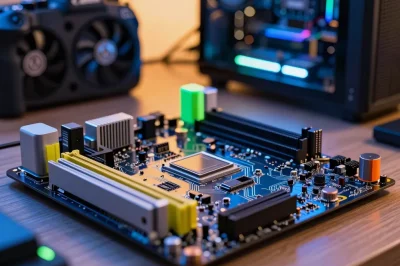
  • Motherboard: The motherboard is the main circuit board that connects all components of the computer. It allows communication between the CPU, memory, storage, and other peripherals.
  • Power Supply Unit (PSU): The PSU converts electrical power to a usable form for the computer’s components. A reliable PSU is vital for system stability and longevity.
  • Input/Output Devices: These include peripherals such as keyboards, mice, printers, and monitors. They allow users to interact with the computer and receive output from it.

Understanding these components allows you to make informed decisions when purchasing or upgrading a computer system, ensuring it meets your specific needs.

Types of Computers: Desktops, Laptops, and Servers

Computers come in various forms, each designed for specific uses. The choice of computer type can significantly impact productivity and user experience.

  • Desktops: Desktop computers are designed for stationary use and typically offer more power and upgradeability than portable options. They are ideal for tasks that require extensive processing power, such as gaming or graphic design.
  • Laptops: Laptops provide portability without sacrificing performance. They are equipped with integrated components and batteries, making them suitable for users who need to work on the go. High-performance laptops are available for gaming and professional applications.
  • Servers: Servers are specialized computers designed to manage network resources and provide services to other computers. They handle tasks such as data storage, web hosting, and application management. Servers often have enhanced processing power, storage capacity, and redundancy features.

When selecting a computer type, consider your specific needs, such as portability, performance requirements, and budget. Each type has its advantages, and understanding them can aid in making the right choice.

Operating Systems and Their Functions

The operating system (OS) is the software that manages computer hardware and software resources and provides common services for computer programs. It acts as an intermediary between users and the computer hardware.

  • Windows: Developed by Microsoft, Windows is one of the most widely used operating systems. It is known for its user-friendly interface and extensive compatibility with software applications.
  • macOS: macOS is Apple’s operating system for its Mac computers. Known for its sleek design and robust security features, it is favored by creative professionals and those within the Apple ecosystem.
  • Linux: Linux is an open-source operating system that offers high levels of customization. Popular among developers and IT professionals, it is known for its stability and security.
  • Android and iOS: While primarily mobile operating systems, Android and iOS are essential for tablets and smartphones, indicating the broad scope of operating systems beyond traditional computing.

Choosing the right operating system can significantly impact user experience and software availability. Each OS has unique features that cater to different types of users and applications.

Exploring Electronics in Technology

Electronics play a foundational role in technology, powering devices and systems that define our modern era. This section explores basic electronic components, circuit design principles, and the differences between microcontrollers and microprocessors.

Basic Electronic Components and Their Functions

Understanding basic electronic components is essential for anyone interested in electronics. These components serve specific functions that form the building blocks of electronic circuits.

  • Resistors: Resistors limit the flow of electrical current in a circuit. They are essential for controlling voltage and current levels to protect sensitive components.
  • Capacitors: Capacitors store and release electrical energy. They are used in various applications, including filtering signals and stabilizing voltage levels.
  • Diodes: Diodes allow current to flow in one direction only, functioning as a one-way valve in electrical circuits. They are commonly used for rectifying alternating current (AC) to direct current (DC).
  • Transistors: Transistors act as switches or amplifiers in electronic circuits. They are fundamental to the operation of modern electronics, enabling complex calculations and signal processing.
  • Integrated Circuits (ICs): ICs are assemblies of various electronic components packaged together to perform specific functions. They are crucial in modern computing, allowing for miniaturization and increased functionality.

Familiarity with these components enhances your understanding of how electronic devices operate and paves the way for advanced projects.

Circuit Design and Breadboarding Basics

Circuit design is the process of creating an electronic circuit that performs a specific function. Breadboarding is a prototyping method that allows you to test circuit designs before finalizing them.

  • Understanding Schematic Diagrams: A schematic diagram is a visual representation of an electronic circuit. It shows how components are connected and their functions. Learning to read these diagrams is essential for effective circuit design.
  • Using a Breadboard: A breadboard is a reusable platform for constructing and testing circuits without soldering. It consists of a grid of holes that allow for easy insertion of electronic components. Here’s a step-by-step guide to using a breadboard:
    1. Gather your components: You’ll need a breadboard, resistors, capacitors, and a power supply.
    2. Insert components into the breadboard: Follow your schematic to place components in the correct holes.
    3. Connect the power supply: Ensure your circuit receives the appropriate voltage and current.
    4. Test the circuit: Use a multimeter to check connections and ensure the circuit operates as intended.

Mastering circuit design and breadboarding is vital for anyone looking to develop their skills in electronics, whether for hobby projects or professional applications.

Microcontrollers vs. Microprocessors

Microcontrollers and microprocessors are essential components in modern electronics, each serving unique functions and applications.

  • Microcontrollers: A microcontroller is a compact integrated circuit designed to govern a specific operation in an embedded system. They often include memory, processors, and input/output peripherals. Applications include home automation, robotics, and automotive systems.
  • Microprocessors: A microprocessor is the central unit of a computer that performs calculations and controls other components. Unlike microcontrollers, microprocessors typically require external components for memory and I/O. They are commonly found in personal computers and servers.
  • Comparison: While microcontrollers are designed for specific tasks and are highly efficient in low-power applications, microprocessors are built for higher processing power and versatility in general computing environments.

Understanding the differences between these two types of processors can help you choose the right one for your projects or applications, whether you are developing a simple gadget or a complex computing system.

Networking and Connectivity Solutions

Networking is a vital aspect of modern technology, enabling devices to communicate and share resources. This section examines network topologies, wireless technologies, and how to set up and secure a home network.

Understanding Network Topologies and Protocols

Network topology refers to the arrangement of different elements (links, nodes, etc.) in a computer network. Understanding these topologies is essential for designing and managing efficient networks.

  • Bus Topology: In a bus topology, all devices share a single communication line. This setup is cost-effective but can lead to performance issues as more devices are added.
  • Star Topology: In a star topology, all devices are connected to a central hub or switch. This design is more reliable; if one connection fails, it does not affect the rest of the network.
  • Mesh Topology: In a mesh topology, each device connects to multiple others, providing redundancy and robust performance. It is more complex and costly to set up but offers high reliability.

Network protocols are rules that dictate how data is transmitted across a network. Common protocols include TCP/IP for data transmission and HTTP/HTTPS for web communication. Understanding these concepts is key to building and maintaining effective networks.

Wireless Technologies: Wi-Fi, Bluetooth, and Beyond

Wireless connectivity has revolutionized how we interact with technology, enabling seamless communication and data transfer without the constraints of physical connections.

  • Wi-Fi: Wi-Fi is a wireless networking technology that allows devices to connect to the internet and communicate with one another. It operates on various frequency bands and provides flexibility and convenience for home and office environments.
  • Bluetooth: Bluetooth is a short-range wireless technology primarily used for connecting devices like headphones, speakers, and smartwatches. It consumes less power, making it suitable for portable devices.
  • Emerging Technologies: Beyond Wi-Fi and Bluetooth, technologies such as 5G and Li-Fi are being developed to enhance connectivity speeds and capabilities. 5G networks offer high-speed internet access with low latency, while Li-Fi uses light for data transmission, providing an alternative to traditional wireless technologies.

Understanding these wireless technologies allows you to choose the best solutions for your connectivity needs, whether at home, in the office, or on the go.

Setting Up and Securing a Home Network

Creating a home network involves several steps, from selecting the right hardware to ensuring security. Here’s a step-by-step guide:

  1. Choose Your Hardware: Select a router that meets your speed and coverage needs. Consider additional access points or range extenders for larger homes.
  2. Connect Your Devices: Follow the manufacturer’s instructions to connect your router to the internet via your modem. Then, use Ethernet cables or Wi-Fi to connect your devices.
  3. Configure Your Network: Access your router’s settings through a web browser. Change the default network name (SSID) and password to something unique and secure.
  4. Enable Security Features: Activate WPA3 encryption for enhanced security. Disable remote management and change default admin credentials to prevent unauthorized access.
  5. Monitor Your Network: Regularly check connected devices and bandwidth usage to identify any potential security issues or unauthorized access.

Securing your home network is essential in today’s digital landscape, protecting your personal information and ensuring the integrity of your devices.

Software Development and Programming

Software development is a critical field that enables the creation of applications and systems that power our digital world. This section introduces programming languages, best practices, and tools for effective software development.

Introduction to Programming Languages and IDEs

Programming languages are the foundation of software development, each with unique syntax and use cases. Integrated Development Environments (IDEs) provide tools to streamline the coding process.

  • Popular Programming Languages: Languages like Python, Java, JavaScript, and C++ are widely used in various applications, from web development to data analysis and game design.
  • Choosing an IDE: IDEs like Visual Studio Code, PyCharm, and Eclipse offer features such as code completion, debugging tools, and version control integration, enhancing productivity. Selecting the right IDE is crucial for effective development.
  • Learning Resources: Platforms like Codecademy, Coursera, and freeCodeCamp offer courses to help you learn programming languages and improve your skills.

Familiarity with multiple programming languages and IDEs enhances your versatility as a developer, allowing you to tackle a broader range of projects.

Best Practices in Software Development

Implementing best practices in software development can lead to more reliable, maintainable, and efficient code. Here are essential practices to consider:

  • Code Readability: Write clear and understandable code. Use meaningful names for variables and functions, and comment your code appropriately to explain complex logic.
  • Modular Programming: Break down your code into smaller, reusable modules or functions. This approach enhances maintainability and promotes code reuse.
  • Testing: Implement unit tests and integration tests to ensure your code works as intended. Regular testing helps identify and fix issues early in the development process.
  • Documentation: Maintain thorough documentation of your code, APIs, and processes. Good documentation aids collaboration and simplifies onboarding for new developers.

Adopting these best practices fosters a collaborative and productive development environment, resulting in higher-quality software.

Version Control Systems and Collaboration Tools

Version control systems (VCS) are essential for managing changes to code over time, facilitating collaboration among developers. Popular VCS tools include Git and Subversion.

  • Using Git: Git allows developers to track changes, revert to previous versions, and create branches for feature development. Understanding Git commands and workflows is critical for effective collaboration.
  • Collaboration Platforms: Platforms like GitHub, GitLab, and Bitbucket provide hosting for Git repositories and offer collaboration features such as pull requests, issue tracking, and code reviews.
  • Best Practices: Use meaningful commit messages, frequently push changes to the repository, and collaborate through pull requests to enhance team communication and code quality.

Mastering version control and collaboration tools is essential for developers working in teams, enabling efficient project management and code quality assurance.

Emerging Trends in Technology

The technology landscape is constantly evolving, with new trends shaping the future of computing and electronics. This section explores significant emerging trends, including artificial intelligence, the Internet of Things (IoT), and quantum computing.

Artificial Intelligence and Machine Learning Applications

Artificial Intelligence (AI) and Machine Learning (ML) are transforming industries by enabling machines to learn from data and make decisions. These technologies are being applied in various domains:

  • Healthcare: AI algorithms analyze medical data to assist in diagnosing diseases, predicting patient outcomes, and personalizing treatment plans.
  • Finance: AI-driven algorithms detect fraudulent transactions, assess credit risk, and automate trading processes, enhancing efficiency and accuracy.
  • Customer Service: AI chatbots and virtual assistants provide 24/7 support, improving customer experience and reducing operational costs.

The continued advancement of AI and ML holds the potential to revolutionize how we interact with technology, making processes more efficient and personalized.

The Role of IoT in Modern Technology

The Internet of Things (IoT) refers to the interconnected network of physical devices that communicate and exchange data over the internet. IoT is significantly influencing various sectors:

  • Smart Homes: IoT devices like smart thermostats, lights, and security systems provide convenience and energy efficiency, allowing homeowners to control their environments remotely.
  • Industrial IoT: In manufacturing, IoT sensors track equipment performance, predict maintenance needs, and optimize production processes, enhancing operational efficiency.
  • Healthcare: Wearable devices monitor health metrics in real-time, providing valuable data for both patients and healthcare providers.

As IoT continues to expand, it will create new opportunities for innovation, efficiency, and sustainability across numerous industries.

Future of Quantum Computing and Its Implications

Quantum computing represents a significant leap in processing power, utilizing quantum bits (qubits) to perform calculations at unprecedented speeds. The implications of quantum computing are vast:

  • Complex Problem Solving: Quantum computers can solve complex problems in fields like cryptography, material science, and drug discovery exponentially faster than classical computers.
  • Data Security: Quantum cryptography promises enhanced security through quantum key distribution, making data breaches nearly impossible.
  • Economic Impact: Quantum computing has the potential to drive innovation across industries, leading to new technologies and economic growth.

While still in its nascent stages, the development of quantum computing signals a new era in technology with far-reaching consequences for society.