

Grup teman sedang menikmati BBQ dengan BOS 88 di latar belakang, suasana ceria dan santai.

Bagaimana BOS 88 Melindungi Penggemar BBQ dari Risiko Kesehatan di Tahun 2026

Pengenalan mengenai BOS 88 dan BBQ

Dalam dunia penggemar BBQ, alat yang tepat bisa membuat semua perbedaan. Salah satu inovasi terbaru yang menjadi sorotan adalah BOS 88. Dengan desain yang fungsional dan fitur yang canggih, BOS 88 tidak hanya meningkatkan pengalaman memasak di luar ruangan tetapi juga berkontribusi pada keamanan dan kesehatan saat menikmati hidangan bakar favorit. Ketika menjelajahi opsi, BOS 88 memberikan wawasan yang komprehensif dalam hal alat BBQ yang aman dan efisien, menjadikannya pilihan ideal bagi para pencinta daging bakar.

Apa itu BOS 88?

BOS 88 adalah alat bantu BBQ yang dirancang untuk meningkatkan efisiensi dan keamanan saat memasak. Dengan teknologi terbaru, alat ini dilengkapi dengan fitur-fitur inovatif seperti pengatur suhu otomatis, alarm pengingat, serta konektivitas dengan aplikasi di ponsel pintar. Dengan BOS 88, Anda dapat memantau proses memasak dengan lebih mudah dan memastikan bahwa daging yang Anda sajikan mencapai tingkat kematangan yang diinginkan tanpa risiko kebakaran atau pencemaran.

Manfaat BOS 88 untuk Penggemar BBQ

  • Keamanan: Alat ini dirancang dengan fitur keselamatan yang mencegah kebakaran dan memastikan daging dimasak dengan aman.
  • Kemudahan Penggunaan: Dengan antarmuka yang intuitif, pengguna dapat dengan mudah mengatur suhu dan waktu memasak.
  • Penghematan Tenaga: Sistem otomatisasi meminimalkan penggunaan energi, menjadikannya ramah lingkungan.
  • Feedback Real-time: Pengguna dapat menerima pembaruan langsung melalui ponsel, sehingga Anda tidak perlu terus memeriksa alat BBQ.

Peran Keamanan dalam BBQ

Keberhasilan sebuah acara BBQ tidak hanya ditentukan oleh kualitas makanan, tetapi juga oleh faktor keselamatan. Oleh karena itu, alat seperti BOS 88 sangat penting. Dengan pemantauan yang akurat dan alarm untuk suhu yang tidak tepat, risiko terjadinya kecelakaan dapat diminimalkan. Selain itu, penggunaan alat ini dapat membantu mematuhi regulasi keselamatan makanan, memberikan rasa aman kepada semua yang hadir dalam acara tersebut.

Memahami Risiko Kesehatan dalam BBQ

Ketika menikmati barbeque, penting untuk menyadari risiko kesehatan yang mungkin timbul. Daging yang tidak dimasak dengan baik dapat mengandung bakteri berbahaya yang dapat menyebabkan penyakit. Dengan teknologi canggih yang ditawarkan oleh BOS 88, Anda dapat memastikan bahwa daging dimasak hingga suhu yang sesuai untuk membunuh patogen berbahaya.

Penyakit yang Dapat Timbul dari BBQ

Beberapa penyakit yang dapat muncul akibat konsumsi daging BBQ yang tidak dimasak dengan benar meliputi:

  • Salmonella: Bakteri ini sering ditemukan pada daging ayam dan unggas.
  • Escherichia coli (E. coli): Daging sapi yang tidak dimasak hingga suhu yang tepat dapat mengandung bakteri ini.
  • Listeria: Mungkin timbul dari produk olahan atau sisa makanan yang tidak disimpan dengan baik.

Tips Mengurangi Risiko Kesehatan

Agar BBQ tetap menyenangkan tanpa risiko kesehatan, berikut adalah beberapa tips yang dapat diikuti:

  1. Selalu cuci tangan sebelum dan setelah menangani makanan.
  2. Gunakan termometer untuk memastikan daging matang hingga suhu yang aman.
  3. Hindari menyiapkan makanan di tempat yang terkontaminasi.
  4. Simpan sisa makanan dengan cepat dan pada suhu yang tepat.

Pentingnya Kebersihan dalam Preparasi Makanan

Kebersihan adalah kunci dalam setiap tahap persiapan BBQ. Mulai dari pemilihan bahan makanan yang segar, hingga cara penyimpanan, semua memainkan peran penting. Dengan BOS 88, Anda mendapatkan alat yang tidak hanya memperhatikan hasil akhir tetapi juga menjaga standar kebersihan yang tinggi. Alat ini dirancang untuk mudah dibersihkan setelah digunakan, sehingga mengurangi risiko kontaminasi.

Bagaimana BOS 88 Berfungsi

Memahami cara kerja BOS 88 adalah langkah penting untuk memaksimalkan manfaatnya. Alat ini menggunakan teknologi canggih untuk memberikan pengalaman BBQ yang lebih baik dan lebih aman.

Teknologi di Balik BOS 88

BOS 88 menggunakan sensor suhu yang akurat dan sistem monitoring yang dapat dihubungkan dengan aplikasi smartphone. Ini memungkinkan pengguna untuk mengatur dan memonitor suhu secara real-time, sehingga Anda tidak perlu lagi mengawasi grill setiap saat.

Cara Penggunaan BOS 88 yang Efektif

Untuk menggunakan BOS 88 secara efektif, pastikan Anda membaca manual pengguna yang disertakan. Umumnya, prosesnya meliputi:

  1. Menyiapkan alat dan memastikan semua bagian terpasang dengan benar.
  2. Menyiapkan bahan makanan dan menambahkan bumbu sesuai selera.
  3. Menetapkan suhu dan waktu memasak melalui aplikasi.
  4. Memantau proses hingga semua bahan matang sempurna.

Fitur Keamanan pada BOS 88

BOS 88 dilengkapi dengan berbagai fitur keselamatan untuk melindungi pengguna, termasuk:

  • Auto Shut-off: Alat ini akan mati secara otomatis jika suhu melebihi batas yang telah ditentukan.
  • Alarm Suara: Peringatan suara yang akan berbunyi ketika suhu sudah mencapai level yang diinginkan.
  • Pelindung Panas: Didesain agar bagian luar alat tidak terlalu panas saat digunakan.

Studi Kasus dan Testimoni

Mengetahui pengalaman orang lain menggunakan BOS 88 dapat memberikan gambaran lebih jelas tentang efektivitas alat ini dalam situasi nyata.

Pengalaman Pengguna BOS 88 dalam BBQ

Banyak pengguna melaporkan bahwa penggunaan BOS 88 telah meningkatkan kualitas BBQ mereka. Mereka mencatat bahwa pemantauan suhu yang akurat membuat daging lebih juicy dan matang merata.

Studi Kasus: Event BBQ yang Sukses

Di sebuah acara BBQ komunitas, penggunaan BOS 88 menjadi sorotan. Dengan pengaturan suhu otomatis, semua daging dimasak pada tingkat kematangan yang tepat, dan tidak ada laporan tentang makanan yang terkontaminasi. Acara ini berakhir dengan sukses, memperkuat kepercayaan peserta terhadap konsep BBQ yang aman.

Testimoni dari Ahli Kesehatan

Ahli kesehatan merekomendasikan penggunaan alat seperti BOS 88 untuk mencegah risiko kesehatan. Mereka menunjukkan bahwa penggunaan teknologi dalam memasak membantu menjaga kebersihan dan kualitas makanan, sekaligus mengurangi risiko keracunan.

Arah Masa Depan BBQ Aman

Dalam beberapa tahun ke depan, tren BBQ akan semakin berfokus pada kesehatan dan keselamatan. Dengan banyaknya inovasi yang muncul, penting untuk memahami bagaimana alat seperti BOS 88 akan berkontribusi pada masa depan BBQ yang lebih baik.

Tren BBQ Sehat di Tahun 2026

Di tahun 2026, BBQ yang sehat akan menjadi norma. Pengguna akan lebih memperhatikan sumber bahan makanan dan cara memasaknya, termasuk penggunaan alat yang mendukung keselamatan dan kesehatan seperti BOS 88.

Inovasi Baru dalam Alat BBQ

Inovasi dalam dunia BBQ tidak akan berhenti di BOS 88. Kita bisa mengharapkan perkembangan lebih lanjut dalam teknologi pemantauan dan alat memasak yang lebih canggih, memberikan pengalaman lebih baik bagi penggemar BBQ.

Kesimpulan: Mengapa Memilih BOS 88?

Berdasarkan semua informasi yang ada, jelas bahwa BOS 88 adalah investasi yang baik bagi siapa saja yang serius dalam dunia BBQ. Dengan fitur keselamatan yang canggih, kemudahan penggunaan, dan fokus pada kesehatan, alat ini menjadi pilihan utama bagi para pecinta daging bakar.

Apakah BOS 88 aman digunakan untuk BBQ?

Ya, BOS 88 dirancang dengan berbagai fitur keselamatan untuk memastikan pengalaman BBQ yang aman bagi semua pengguna.

Bagaimana cara kerja BOS 88 meningkatkan keamanan makanan?

BOS 88 menggunakan sensor untuk memantau dan mengatur suhu secara otomatis, sehingga mengurangi risiko memasak daging pada suhu yang tidak aman.

Apa saja fitur utama dari BOS 88?

Beberapa fitur utama BOS 88 termasuk pengaturan suhu otomatis, alarm suara, dan konektivitas dengan aplikasi untuk pemantauan menarik.

Dimana bisa membeli BOS 88?

BOS 88 tersedia di berbagai retail alat dapur dan juga bisa dibeli secara online melalui situs resmi yang menjual alat BBQ berkualitas.

Apakah BOS 88 direkomendasikan oleh ahli kesehatan?

Ya, banyak ahli kesehatan merekomendasikan BOS 88 karena kemampuannya dalam memastikan makanan dimasak dengan baik dan aman untuk dikonsumsi.
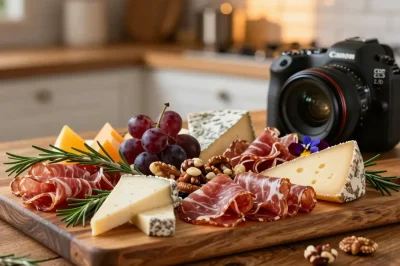
10 Irresistible Recipes to Elevate Your Food and Drink Experience

Understanding Food and Drink Fundamentals

Food and drink are essential elements of human life, extending far beyond mere sustenance. They play a pivotal role in overall health, cultural identity, and social interactions. Understanding the fundamentals of food and drink involves delving into nutrition, culinary traditions, and the cultural significance of what we consume. This exploration offers valuable insights into making informed choices that enhance both well-being and enjoyment.

The Importance of Nutrition in Food Choices

Nutrition forms the backbone of our food choices, influencing everything from our physical health to our emotional well-being. Proper nutrition is vital for maintaining energy levels, supporting bodily functions, and preventing chronic diseases. According to the World Health Organization, a healthy diet can reduce the risk of major diseases such as heart disease, diabetes, and cancer.

When making food choices, it’s essential to consider the nutritional value of foods. Here are some key components to focus on:

  • Macronutrients: These include carbohydrates, proteins, and fats, which provide energy and support bodily functions.
  • Micronutrients: Vitamins and minerals are crucial for various biochemical processes in the body.
  • Fiber: Aids in digestion and helps maintain a healthy gut.

Practical Tip: To ensure balanced nutrition, aim to fill half your plate with fruits and vegetables, a quarter with lean proteins, and a quarter with whole grains. This plate method simplifies meal planning and encourages variety.

Exploring Different Cuisines and Their Ingredients

Global cuisines offer a rich tapestry of flavors, techniques, and ingredients, reflecting the diversity of cultures around the world. Each cuisine has its unique ingredients that not only define its taste but also its nutritional profile. For instance, Mediterranean cuisine is known for its use of olive oil, fresh vegetables, and lean proteins, which contribute to its reputation as one of the healthiest diets.

Understanding the core ingredients of different cuisines can enhance culinary skills and broaden one’s palate:

  • Italian: Emphasizes tomatoes, garlic, olives, and fresh herbs.
  • Indian: Features a variety of spices like turmeric, cumin, and coriander, which offer both flavor and health benefits.
  • Japanese: Known for rice, seafood, and fermented foods like miso, which are rich in probiotics.

Real-World Example: A recent study published in the Journal of Nutrition highlighted that individuals who regularly consume a variety of ethnic foods tend to have better overall health outcomes. This underscores the importance of diversifying one’s diet.

The Role of Food in Culture and Society

Food is not just about nourishment; it is a vital aspect of cultural identity and social connection. Different cultures celebrate their heritage through traditional dishes, rituals, and communal meals. For example, in many cultures, breaking bread together is a sign of friendship and unity.

Furthermore, food can serve as a medium for storytelling and preserving history. Each dish tells a tale of its origin, ingredients, and the people who prepared it. Consider the following points:

  • Festivals: Many cultures have food-based festivals (like Thanksgiving in the U.S. or Diwali in India) that highlight the importance of food in communal celebration.
  • Traditions: Certain recipes are passed down through generations, maintaining a connection to ancestry.
  • Social Movements: The rise of movements like farm-to-table and slow food reflects a growing awareness of the socio-economic aspects of food production.

By understanding the social and cultural contexts of food, individuals can appreciate their meals on a deeper level, fostering respect for diverse culinary practices.

Preparing and Cooking Techniques

Preparation and cooking techniques are fundamental skills that can elevate your culinary creations. Mastering basic methods and understanding flavor profiles not only enhances the taste of your dishes but also ensures food safety and quality.

Basic Cooking Methods: Boiling, Baking, and Sautéing

Familiarity with basic cooking methods is essential for anyone looking to improve their culinary skills. Here’s a breakdown of three fundamental techniques:

  • Boiling: This method involves cooking food in water or broth at high temperatures. It’s ideal for pasta, vegetables, and grains. To boil effectively, ensure that the water is at a rolling boil before adding the food to maintain temperature.
  • Baking: A dry heat cooking method that uses an oven. Baking is suitable for a variety of foods, from bread to casseroles. Preheating the oven is crucial to ensure even cooking.
  • Sautéing: This technique involves cooking food quickly over high heat in a small amount of oil or fat. It’s perfect for vegetables and proteins, allowing for a nice sear while retaining moisture.

Practical Tip: When sautéing, ensure your pan is hot enough before adding ingredients to prevent sticking and promote even browning.

Understanding Flavor Profiles and Seasoning

Flavor is the cornerstone of successful cooking. Understanding how to balance flavors can transform a simple dish into something extraordinary. The primary flavor profiles include: sweet, salty, sour, bitter, and umami. Each plays a unique role in creating a harmonious dish.

To enhance flavors, seasoning is key. Here’s how to effectively use seasonings:

  • Salt: Enhances natural flavors and can provide depth when used correctly.
  • Acids: Ingredients like lemon juice or vinegar can brighten dishes and balance richness.
  • Herbs and Spices: Fresh herbs add brightness, while dried spices contribute warmth and complexity.

Expert Insight: Chef Thomas Keller emphasizes the importance of layering flavors. Start with aromatics like onions and garlic, then build upon them with spices and herbs to create depth.

Food Safety Practices in Home Cooking

Food safety is paramount in home cooking to prevent foodborne illnesses. Practicing proper handling, cooking, and storage techniques can significantly reduce risks. Here are essential food safety practices:

  • Wash Hands: Always wash your hands with soap and water before handling food.
  • Separate: Use separate cutting boards for raw meats and vegetables to avoid cross-contamination.
  • Cook Thoroughly: Use a food thermometer to ensure meats reach safe internal temperatures (e.g., 165°F for poultry).
  • Store Properly: Refrigerate leftovers within two hours to prevent bacterial growth.

Statistics show that one in six Americans gets sick from foodborne illnesses each year, highlighting the need for vigilance in food safety practices. By adhering to these guidelines, home cooks can ensure a safe and enjoyable cooking experience.

Food and Drink Pairing Principles

The art of food and drink pairing can elevate a dining experience, enhancing flavors and creating a harmonious balance on the palate. Understanding the principles behind successful pairings allows for creativity and enjoyment in both cooking and hosting.

The Science of Complementary Flavors

Pairing food with drink is both an art and a science. The goal is to find complementary flavors that enhance each other. The classic flavor pairing principles include:

  • Match Intensity: Pair lighter dishes with lighter drinks and richer dishes with fuller-bodied beverages.
  • Complement or Contrast: Choose flavors that either complement (like a sweet dish with a sweet wine) or contrast (like a spicy dish with a refreshing drink).
  • Regional Pairings: Often, regional cuisines pair well with local beverages, such as Italian pasta with Chianti or Mexican tacos with tequila.

Real-World Example: A recent pairing event showcased how a spicy Thai curry was beautifully complemented by a Riesling, demonstrating the power of balancing heat with sweetness.

Wine Pairing Basics for Meals

Wine pairing is a popular aspect of dining that can enhance the overall experience. Understanding the basics of wine pairing can help both novice and experienced diners make informed selections:

  • White Wines: Generally pair well with lighter proteins like chicken and seafood. Sauvignon Blanc complements herb-based dishes, while Chardonnay is excellent with creamy sauces.
  • Red Wines: Typically match with heartier dishes such as red meats. Cabernet Sauvignon pairs well with steaks, while Pinot Noir complements duck and earthy flavors.
  • Rosé and Sparkling Wines: Versatile options that can pair with a variety of dishes, from salads to fried foods.

Practical Tip: When in doubt, consider the sauce! The sauce often determines the best pairing rather than the protein itself.

Innovative Pairing Ideas: Beyond Traditional Choices

While traditional food and drink pairings are classic for a reason, exploring innovative combinations can lead to delightful surprises. Here are some unconventional pairing ideas:

  • Beer with Dessert: Stouts and porters can pair well with chocolate desserts, while fruity IPAs can complement fruity tarts.
  • Cocktails with Savory Dishes: Try pairing a gin and tonic with grilled fish or a spicy margarita with tacos.
  • Tea Pairings: Different types of tea can enhance meals; for instance, a smoky Lapsang Souchong may pair beautifully with BBQ.

Expert Insight: Renowned chef and sommelier Eric Asimov suggests experimenting with flavors that may seem mismatched at first, as they can lead to unique and enjoyable experiences.

Exploring Dietary Preferences and Restrictions

As our understanding of nutrition evolves, so do dietary preferences and restrictions. Whether for health, ethical reasons, or personal choice, it’s essential to navigate these diets thoughtfully. This section explores various dietary preferences and how to accommodate them.

Understanding Veganism and Plant-Based Diets

Veganism and plant-based diets are gaining popularity as more individuals seek to reduce animal product consumption for health and ethical reasons. A plant-based diet focuses primarily on foods derived from plants, including fruits, vegetables, nuts, seeds, oils, whole grains, legumes, and beans.

Key considerations when catering to vegan diets include:

  • Protein Sources: Incorporate legumes, tofu, tempeh, and seitan to meet protein needs.
  • Nutrient Awareness: Pay attention to nutrients commonly lacking in vegan diets, such as Vitamin B12, iron, and omega-3 fatty acids.
  • Creative Cooking: Explore plant-based alternatives for dairy and meat to create satisfying meals.

Real-World Example: The rise of vegan restaurants and products reflects the growing demand for plant-based options, with the global vegan food market projected to reach $31.4 billion by 2026.

Navigating Gluten-Free and Allergy-Friendly Foods

With the increase in gluten sensitivities and food allergies, understanding how to navigate gluten-free and allergy-friendly options is crucial. Gluten-free diets are essential for individuals with celiac disease and non-celiac gluten sensitivity. Here are practical tips for accommodating these needs:

  • Read Labels: Always check ingredient lists for hidden sources of gluten and allergens.
  • Substitutions: Use gluten-free grains like quinoa, rice, and corn. For baking, consider almond flour or coconut flour as alternatives.
  • Cross-Contamination: Be vigilant about preventing cross-contamination in kitchens by using separate utensils and cooking equipment.

Statistics indicate that 1 in 100 people worldwide suffer from celiac disease, underscoring the importance of awareness and availability of gluten-free options.

Crafting Balanced Meals for Specific Diets

Whether catering to specific dietary needs or personal preferences, crafting balanced meals is essential for proper nutrition. Here’s how to create balanced meals for various dietary preferences:

  • For Vegans: Combine a variety of proteins (like chickpeas and quinoa) with plenty of vegetables and healthy fats (such as avocado).
  • For Gluten-Free: Focus on whole foods and unprocessed ingredients, ensuring a variety of colors on the plate for maximum nutrients.
  • For Allergy-Friendly: Always consult with guests about their allergies and preferences, creating a menu that accommodates everyone without sacrificing flavor.

Expert Insight: Nutritionist Ellie Krieger emphasizes the importance of balance in meals, suggesting that every meal should ideally include a source of protein, fiber, and healthy fat for optimal satiety and energy levels.

Trends and Innovations in the Food and Drink Industry

The food and drink industry is continuously evolving, driven by consumer preferences, technological advancements, and sustainability efforts. Keeping abreast of current trends can provide valuable insights for both consumers and businesses alike.

Emerging Food Technologies: Lab-Grown Meat and Beyond

Emerging technologies in the food sector are reshaping how we produce and consume food. Lab-grown meat, also known as cultured meat, is a significant innovation that aims to provide a sustainable alternative to traditional meat production. This technology can potentially reduce the environmental impact associated with livestock farming, including greenhouse gas emissions and land use.

Key points about lab-grown meat include:

  • Production Process: Lab-grown meat is created by culturing animal cells in a controlled environment, eliminating the need for raising and slaughtering animals.
  • Market Growth: The global lab-grown meat market is expected to grow at a CAGR of over 15% from 2021 to 2026, indicating increasing acceptance and demand.
  • Ethical Considerations: This technology addresses ethical concerns related to animal welfare, appealing to conscious consumers.

Real-World Example: Companies like Memphis Meats and Mosa Meat are leading the way in lab-grown meat production, with products expected to hit mainstream markets soon.

The Rise of Sustainable and Ethical Eating

As awareness of environmental issues grows, sustainable and ethical eating practices are becoming more mainstream. Consumers are increasingly prioritizing food sources that are environmentally friendly, locally sourced, and ethically produced. Here are some key aspects:

  • Local Sourcing: Supporting local farmers and producers reduces carbon footprints associated with long-distance food transport.
  • Seasonal Eating: Consuming seasonal produce ensures freshness and supports local agriculture.
  • Waste Reduction: Practices such as composting and utilizing ‘ugly’ produce are gaining traction to combat food waste.

Statistics show that 72% of consumers are willing to pay more for sustainable products, highlighting the importance of ethical considerations in purchasing decisions.

Utilizing Social Media for Food Trends and Marketing

Social media has revolutionized the food and drink industry, creating new platforms for marketing and trendsetting. Instagram, TikTok, and Pinterest are influential in shaping consumer preferences and showcasing culinary creativity.

Key strategies for leveraging social media in food marketing include:

  • Visual Appeal: High-quality images and videos can attract attention and engage audiences. Platforms like Instagram thrive on visually appealing content.
  • Engagement: Interacting with followers, responding to comments, and utilizing polls can foster community and loyalty.
  • Food Challenges and Trends: Participating in viral challenges (like the #foodporn or #recipechallenge) can increase visibility and reach new audiences.

Real-World Example: Many restaurants have successfully launched trending dishes that went viral on social media, leading to increased foot traffic and online orders.